古代四大名琴解析Analysis of the four famous ancient pianos
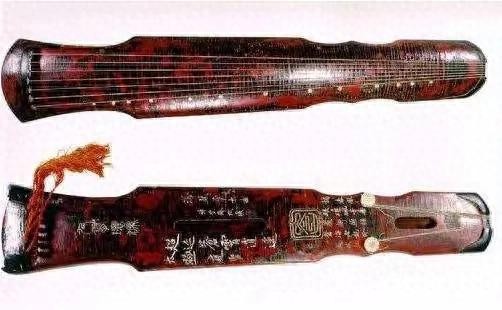
中国古代四大名琴指的是齐桓公的号钟、楚庄王的绕梁、司马相如的绿绮和蔡邕[yōng]的焦尾。
我的理解是这四个人是弄了玉骨,弄了地的证据。
齐桓公的号钟,意思他是司令,骨头压的好重、
楚庄王的绕梁,意思他的骨头都是批拉的,都爬在他房梁上。
司马相如的绿绮,是瘸腿,他身上的绿来历奇,挖批得的。
蔡邕[yōng]的焦尾是弄了水地,他自己给烧了尾巴,叫焦尾,他自己觉得他的成就是交了人灵的尾部,就是小脚趾头,他可能就是韩,他就是弄了寒家缝,弄了烂批的,才交就是日。
The four famous qin of ancient China refer to the bell of the Duke of Qi Huan, the winding beam of King Chuzhuang, the green qi of Sima Xiangru, and the Jiaowei of Cai Yong [yōng].
My understanding is that these four people are evidence that they have made jade bones and made the ground.
Qi Huangong's bell, which means that he is the commander, and his bones are so heavy.
King Chuzhuang's winding beam, which means that his bones are all pulled in batches, and they all climb on the beams of his house.
Sima Xiangru's green Qi is lame, and the green on his body has a strange origin, and he has dug up and approved.
Cai Yong [yōng]'s Jiaowei is to get the water ground, he himself burned the tail, called Jiaowei, he himself thinks that his achievement is to hand over the tail of the human spirit, that is, the little toe, he may be Han, he just made the Hanjia sewn, got a bad batch, and only then did he hand it over.